Thai cuisine is often described as a dance of contrasts—sweet and salty, spicy and herbal, sour and savory. Among these partners, tamarind stands out for delivering sourness with unexpected depth. Rather than a sharp, fleeting tang, tamarind offers a rounded, almost fruity acidity that lingers and lifts other flavors. Understanding how it works in the Thai kitchen helps you taste—and cook—with more intention.
What Is Tamarind? From Pod to Pantry
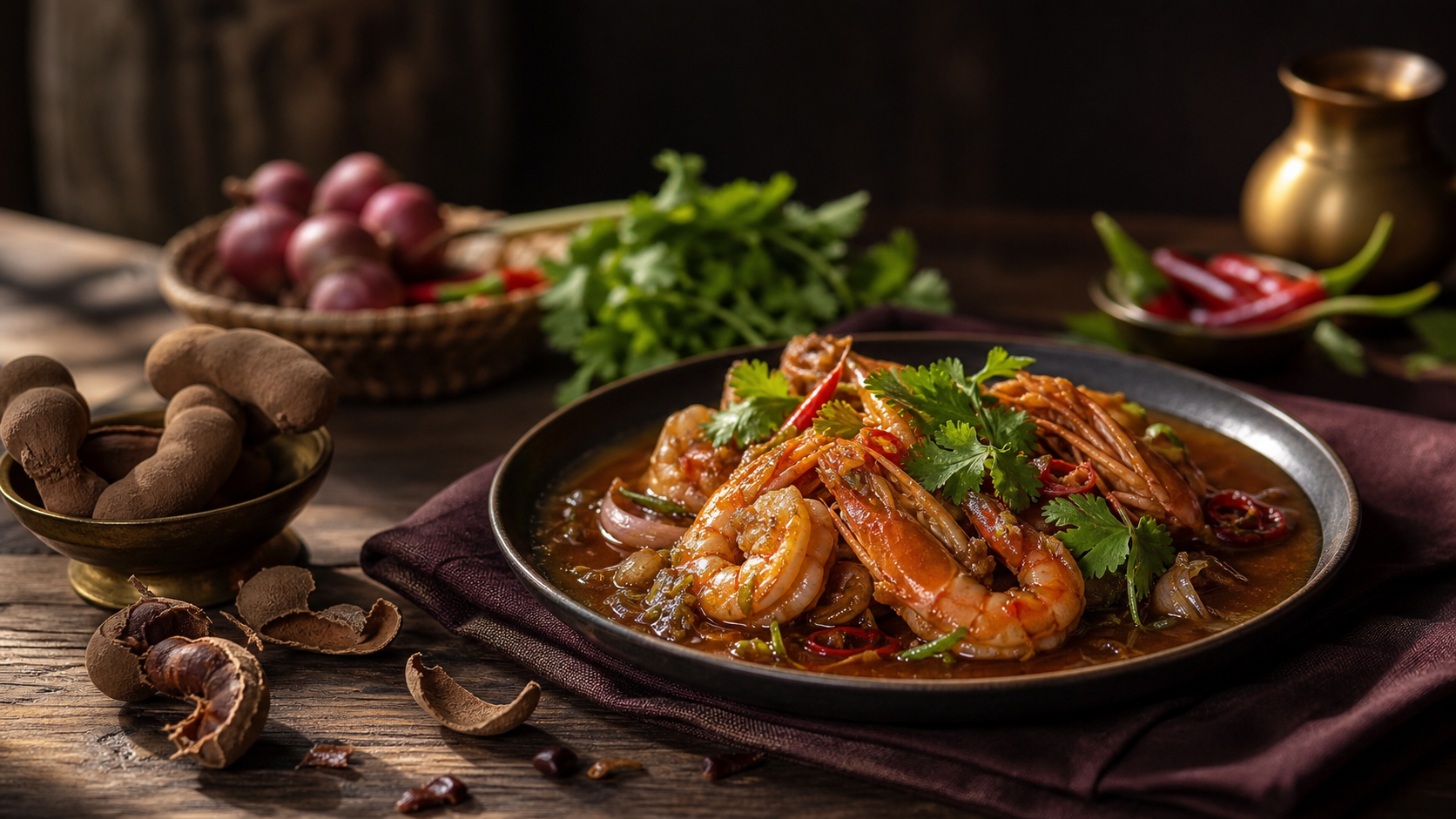
Tamarind comes from the pod of a tropical tree. Inside the brittle shell, sticky brown pulp surrounds glossy seeds. That pulp is the flavor engine. In Thai cooking, the pulp is soaked and massaged with warm water to create a thick, brick-hued extract. Unlike quick-squeezed citrus, tamarind’s pulp brings along natural sugars and aromatic compounds that soften its sour edge.
For everyday cooking, you’ll most often encounter tamarind in two pantry-friendly forms:
- Pressed pulp blocks: compact, seed-studded slabs you rehydrate and strain.
- Concentrate or paste: ready-to-use, with intensity that varies by brand.
Both provide reliability and shelf stability, making it easy to keep Thai sour flavors on hand without worrying about produce seasonality.
Why Tamarind Tastes “Rounder” Than Lime
Cooks often reach for lime to brighten a dish, but tamarind brightens and deepens at the same time. The difference lies in composition. Tamarind’s tartness comes from a blend of organic acids, supported by natural sugars and pectin-like body. On the palate, this translates to a sourness that feels integrated—more like a chord than a single note.
In the Thai flavor compass, sourness doesn’t stand alone. It threads through sweetness (often palm sugar), saltiness (fish sauce or soy), bitterness (grilled herbs or charred aromatics), and heat (fresh or dried chiles). Tamarind’s body helps knit these elements together, so the dish tastes complete rather than segmented.
Forms You’ll See: Pulp, Paste, Concentrate, and Powder
- Pulp (rehydrated and strained): The most versatile. You can adjust strength by how much water you use and how long you steep.
- Paste/concentrate: Convenient and consistent. Because brands vary, start small and taste as you go.
- Powder: Useful in a pinch for dry rubs or travel, but less common in traditional Thai kitchens.
A helpful baseline for home cooks: if a recipe calls for 2 tablespoons of tamarind water (from pulp), try 1 to 1½ teaspoons of concentrate and adjust. The goal is balance, not a precise conversion.
Classic Contexts in Thai Cooking
Tamarind shows up across regions and cooking styles in Thailand. While every household and cook has a different touch, you’ll find recurring roles for this ingredient:
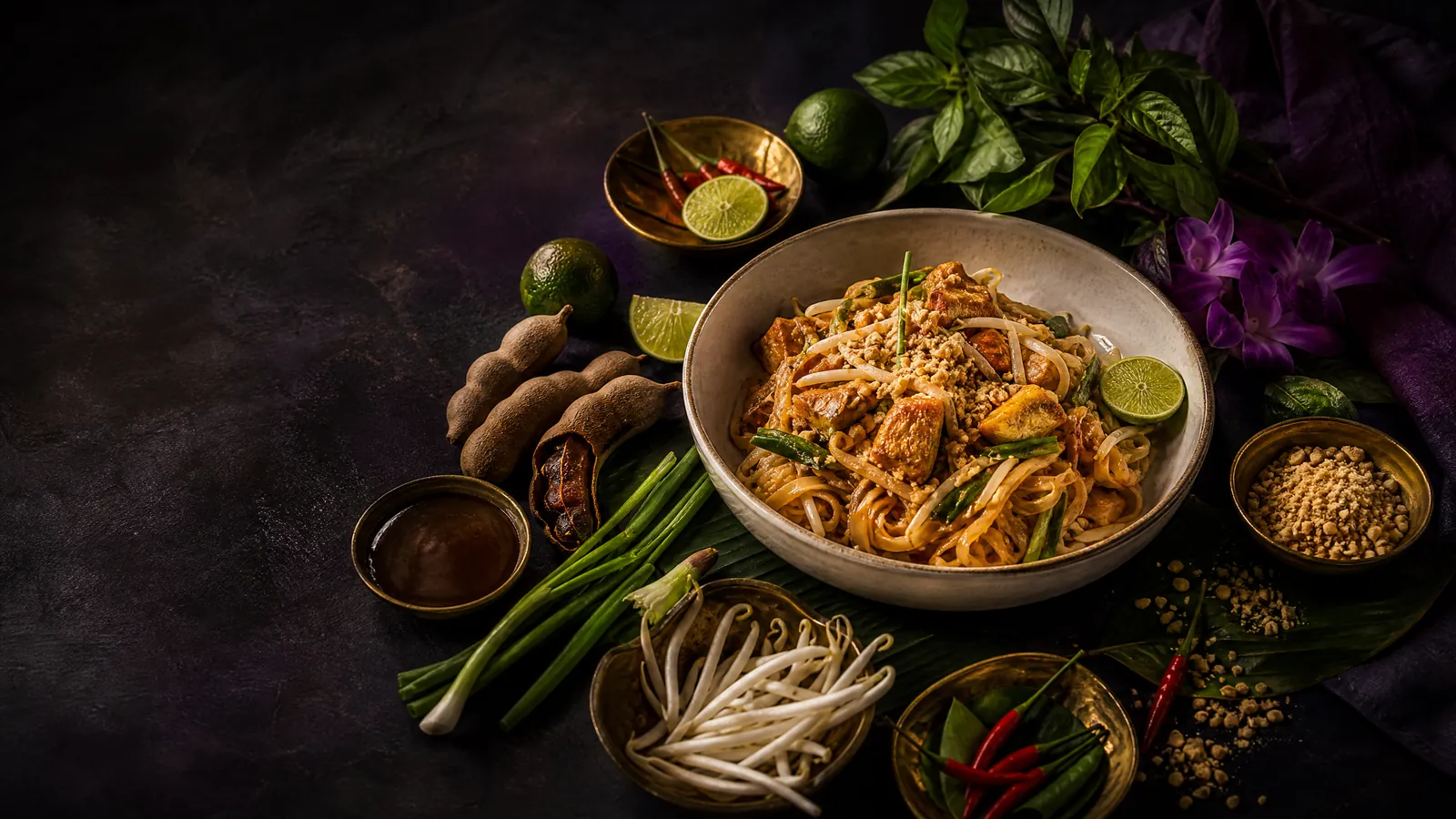
- Stir-fries and sautés: A splash of tamarind adds gloss and tang to pan sauces, especially when caramelization has built up sweetness and umami in the wok.
- Curry bases: In richer curries, a measured amount of tamarind sharpens the edges and keeps coconut cream from tasting heavy.
- Soups: In hot-and-sour profiles, tamarind deepens the broth without pushing it into puckering territory.
- Dipping sauces: Mixed with fish sauce, toasted rice powder, chiles, and a bit of sugar, tamarind creates a tangy backbone that clings nicely to grilled meats and vegetables.
The unifying theme is contrast. Tamarind isn’t just there to make food sour; it’s there to make everything else taste more vivid.
Techniques for Balancing Thai Sour Flavors at Home
- Build the base first: Develop savoriness through aromatics (shallot, garlic), gentle browning, or a good stock. Add tamarind later to fine-tune.
- Bloom the tang: Warm tamarind briefly in the pan sauce so its flavors meld. Added too late and it can taste separate; cooked too long and it can dull.
- Taste in sequence: After salting, add tamarind to the point where the dish becomes lively; then recheck sweetness. In Thai cooking, sweetness doesn’t mean “dessert-like”—it’s the counterweight that keeps sourness engaging instead of austere.
- Mind the concentrate: If you’re using a strong concentrate, dilute a teaspoon with a tablespoon of warm water to make a tasting solution. Spoon in droplets until the dish “snaps” into focus.
- Adjust texture: Tamarind can slightly thicken liquids. If a sauce tightens more than you want, add a splash of stock to keep it saucy.
These habits turn tamarind from a souring agent into a finishing tool—one that lets you steer a dish toward clarity and lift.
How to Spot Tamarind on the Plate
Learning to recognize tamarind helps you understand what you’re tasting in Thai food and why it’s satisfying.
- Color cues: Look for a warm, reddish-brown hue in sauces or broths. That’s often a sign of tamarind’s presence.
- Aroma: It’s subtle—less perfumed than lime—but there’s a dried-fruit note, like dates with a tang.
- Mouthfeel: Sauces with tamarind can feel slightly plush. The acidity is present but not sharp; it seems to cushion heat and salt.
- Aftertaste: The finish is clean but lingering, with a faint, pleasant tannic grip that encourages the next bite.
Once you notice these markers, you’ll start to pick out tamarind’s role in everything from quick street-style stir-fries to slow-simmered soups.
Pairings That Make Tamarind Sing
- Rich proteins: Pork shoulder, fatty fish, or tofu fried until crisp all welcome tamarind’s refreshing lift.
- Char and smoke: Grilled vegetables and meats gain definition when tamarind meets their roasted, slightly bitter edges.
- Herbs: Cilantro roots, Thai basil, and sawtooth herb amplify tamarind’s fruity side, preventing the profile from leaning too savory.
- Heat levels: Dried chile heat loves tamarind because the acidity balances the slow-building burn, keeping flavors bright instead of blunt.
Think of tamarind as a conductor bringing the ensemble into harmony—the horns (heat), strings (herbs), percussion (salt), and woodwinds (sweetness) all become audible and cohesive.
Storing and Sourcing Notes
- Pulp blocks: Wrap tightly and store in a cool, dark pantry; they keep well for months. Before use, cut off what you need and rewrap the remainder.
- Concentrate: Refrigerate after opening and label the date. Intensity can fade over time; taste before use.
- Fresh pods: If you find them, look for intact shells and a pliable, sticky interior. Use for snacking or small-batch extracts.
Because tamarind is robust and shelf-stable in processed forms, it’s a reliable way to bring Thai sour flavors into year-round cooking.
Closing Thought
In Thai cuisine, sourness is not about shock value; it’s about structure. Tamarind’s layered tang doesn’t compete with other tastes—it choreographs them. Once you start seasoning with that idea in mind, your cooking and your tasting both become more deliberate, and every element on the plate has room to shine.
Editor’s note: Topaz Thai Authentic is located at 127 W 56th Street, New York, NY 10019. Hours: Daily, 12 PM–10 PM. Phone: (212) 957-8020. Website: https://topazthainyc.com.