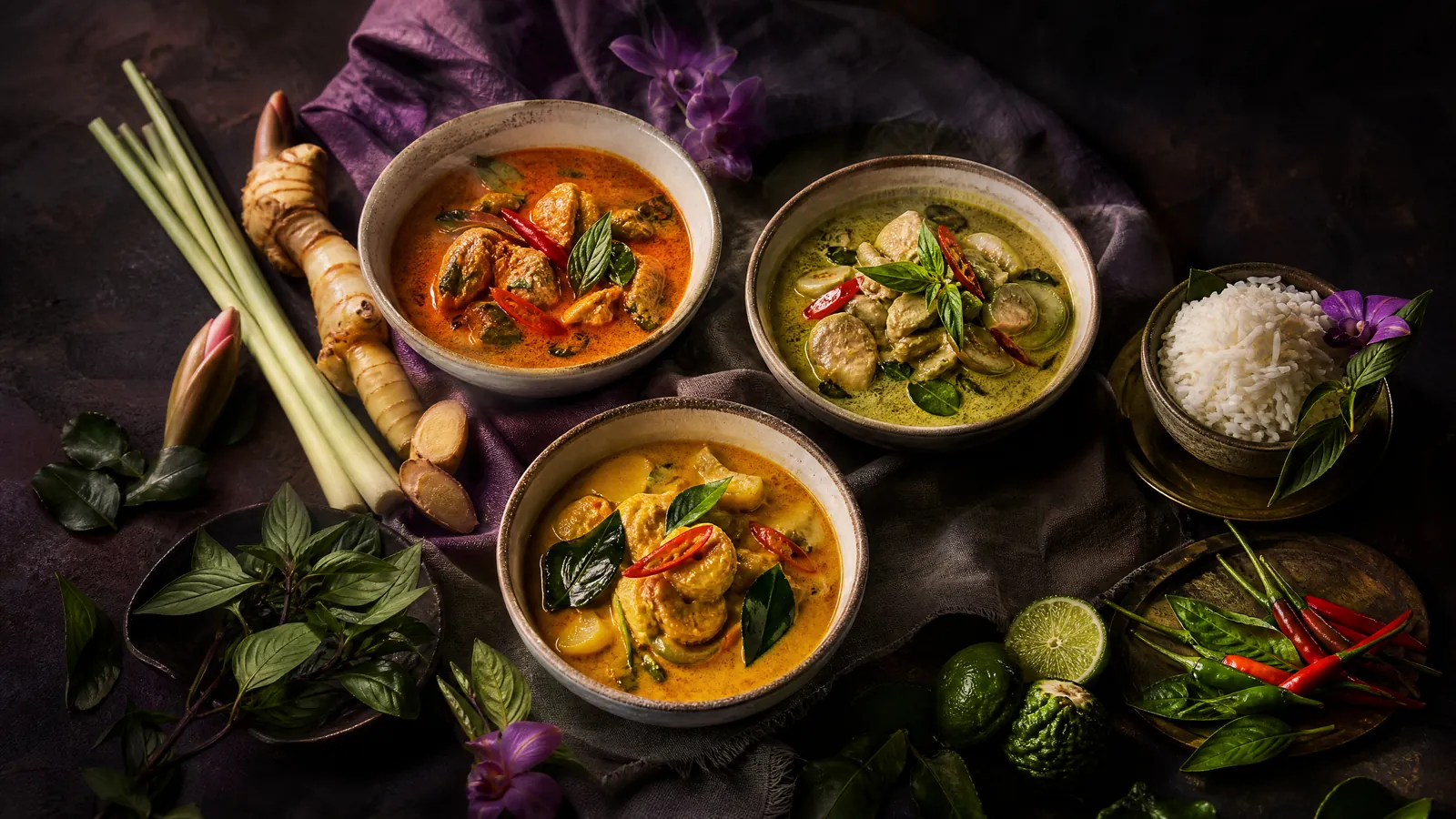
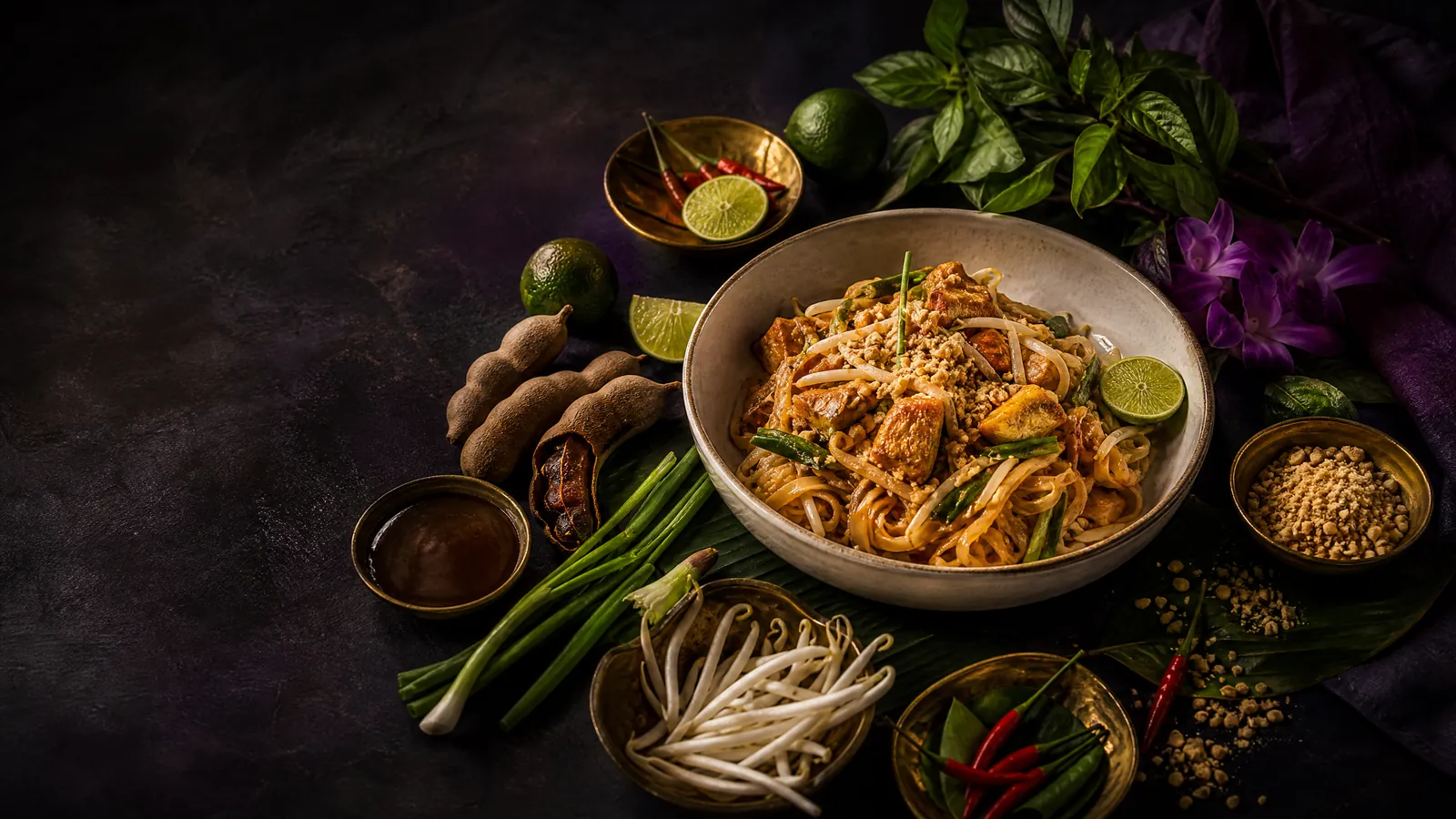
When one thinks of Thai cuisine, a few dishes immediately come to mind, and perhaps none is as globally recognized as Pad Thai. Yet, beneath its widespread popularity lies a complex culinary architecture that is often simplified or misunderstood. For diners and culturally curious readers in Midtown Manhattan, understanding the true essence of this dish offers a gateway into the broader world of Thai culinary traditions. At its core, an authentic Pad Thai is a masterclass in balance—a delicate interplay of sweet, sour, salty, and savory notes, anchored by the unmistakable tang of tamarind and the satisfying chew of perfectly prepared rice noodles. The journey of this dish from the bustling street food stalls of Bangkok to the refined dining rooms of New York City is a testament to its universal appeal and enduring charm.
The Anatomy of a Classic
The Essential Tang of Tamarind
If there is a single ingredient that defines the soul of Pad Thai, it is tamarind. This leguminous tree produces pod-like fruit containing a sticky, tart pulp that is a cornerstone of Southeast Asian cooking. Unlike the sharp, one-dimensional acidity of white vinegar or the bright, citrusy notes of lime juice, tamarind offers a complex, mellow tartness with underlying hints of caramel and earthiness. It is this depth of flavor that gives traditional Thai dishes their distinctive character.
Preparing tamarind for culinary use is a labor of love and patience. The pulp must be soaked in warm water and carefully massaged and strained to extract a smooth, rich paste, leaving behind the seeds and fibrous membranes. This paste becomes the backbone of the Pad Thai sauce, providing the essential sour note that cuts through the richness of the eggs and cooking oil. When combined with palm sugar, which brings a smoky, molasses-like sweetness, and fish sauce, the tamarind creates a harmonious glaze that coats each individual noodle. The role of tamarind extends beyond mere flavor; its natural acidity also helps to tenderize the proteins and balance the overall mouthfeel of the dish, ensuring that it remains light, vibrant, and appetizing from the first bite to the last.
Achieving the Perfect Noodle Texture
While the sauce provides the flavor, the noodles provide the canvas upon which these flavors are painted. The choice and preparation of the rice noodles are critical to the success of the dish. Traditional Pad Thai utilizes flat, dried rice noodles, often referred to as sen lek. The secret to their perfect texture lies in the meticulous soaking process. The noodles must be hydrated in room-temperature water until they are pliable but still firm to the touch—a state often described as al dente. If they are soaked too long, they will turn to mush in the wok; if not soaked long enough, they will remain tough, brittle, and unyielding.
The cooking process itself requires high heat, constant motion, and precise timing. The noodles are introduced to the wok just as the proteins and aromatics have begun to release their flavors into the oil. As they hit the hot metal, they absorb the sauce, transforming from opaque strands into translucent, flavor-packed ribbons. The intense heat of the wok—often referred to as wok hei or the "breath of the wok"—imparts a subtle smokiness that cannot be replicated on a standard home stove. The goal is to achieve a texture that is simultaneously chewy and tender, with individual strands that cling together slightly without becoming a monolithic clump.
A Symphony of Aromatics and Garnishes
A truly exceptional Pad Thai is as much about the garnishes as it is about the core ingredients cooked in the wok. The dish is traditionally served with a vibrant array of accompaniments that allow the diner to customize the flavor profile to their personal preference, making each plate a unique culinary experience.
- Fresh Bean Sprouts: These offer a crisp, refreshing contrast to the warm, chewy noodles, adding a necessary textural break.
- Garlic Chives: Providing a mild, grassy pungency, these chives cut through the richness of the sauce and add a pop of vibrant green color.
- Crushed Roasted Peanuts: A non-negotiable addition, peanuts add an essential textural crunch and a nutty depth that beautifully complements the sweetness of the palm sugar.
- Fresh Lime: A wedge of lime is always provided on the side, inviting the diner to squeeze its juice over the dish just before eating. This final burst of citrus brightens the flavors and awakens the palate.
- Roasted Chili Flakes: For those who appreciate a touch of heat, a sprinkle of chili flakes can be added, introducing a slow, warming spice that lingers pleasantly on the tongue.
The interplay of these garnishes ensures that no two bites are exactly alike, making the dining experience dynamic, interactive, and endlessly engaging.
Thai Noodle Traditions in Midtown Manhattan
For those navigating the bustling streets of Midtown Manhattan, finding a culinary experience that honors these intricate traditions can be a rewarding pursuit. The neighborhood, known for its fast pace, towering skyscrapers, and diverse offerings, is home to establishments that take pride in preserving the authenticity of Thai cuisine. Understanding the craftsmanship behind a dish like Pad Thai transforms a simple meal into an opportunity for cultural appreciation and culinary discovery.
When dining in the heart of the city, one can seek out venues that prioritize the traditional balance of flavors—where the tamarind is tart and complex, the noodles are perfectly chewy, and the wok hei is evident in every bite. It is in these details that the true spirit of Thai cooking is revealed, offering a moment of culinary transport amidst the urban landscape. Whether enjoying a leisurely lunch between meetings or a comforting dinner after a long day of exploring the city, the experience of a well-crafted Pad Thai is a testament to the enduring appeal of Thailand's culinary heritage.
For those interested in exploring these authentic flavors, Topaz Thai Authentic offers a welcoming destination. Located at 127 W 56th Street, New York, NY 10019, the restaurant has been a dedicated part of the local dining scene for decades, proudly Serving You Since 1992. Open daily from 12 PM to 10 PM, Topaz provides a warm and elegant setting for dine-in guests, as well as convenient takeout, delivery, catering, and private event options. You can reach them at (212) 957-8020 to experience a menu that celebrates the rich traditions of Thai cuisine without pretense, inviting you to simply enjoy a beautifully prepared meal.